
Planning a trip to Las Vegas? This travel guide covers what to do on the Strip, the best day trips into the surrounding desert and national parks, when to visit, how to get around, and how to make the most of your time in one of America’s most unique destinations. Las Vegas isn’t just a city — it’s the gateway to some of the most spectacular landscapes in the United States.
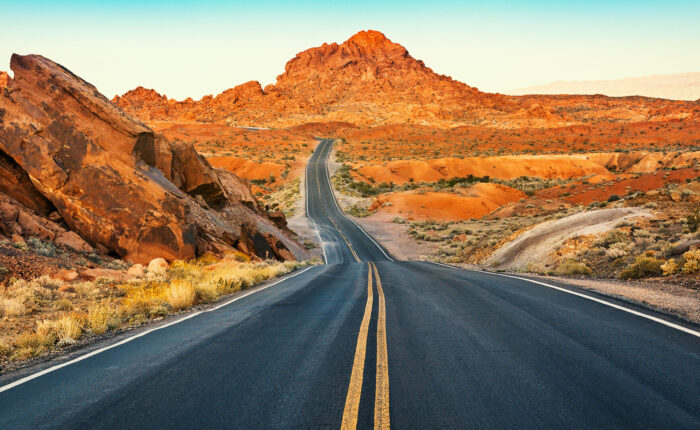
Las Vegas sits in the Mojave Desert in southern Nevada, surrounded by red rock canyons, alpine reservoirs, and four of the most iconic national parks in the American Southwest. The city itself is best known for its Strip — a four-mile stretch of resort-casinos, world-class dining, and live entertainment — but for travelers willing to leave the lights behind, Las Vegas is also one of the best basecamps in the country for outdoor adventure.
Highlights include:
For travelers who want both glittering nightlife and dramatic landscapes within a single trip, few destinations deliver like Las Vegas.
Walk the Las Vegas Strip The four-mile stretch of Las Vegas Boulevard is home to landmark resorts including the Bellagio, Caesars Palace, the Venetian, the Cosmopolitan, and the Wynn. Even non-gamblers find plenty to do — fountain shows, conservatories, art installations, and some of the best restaurants in the country.
Visit Fremont Street and Downtown Old Vegas. The Fremont Street Experience features a massive overhead LED canopy, live music, and a more historic, lower-key version of the Strip.
Catch a Show Las Vegas is home to long-running residencies and Cirque du Soleil productions, plus stand-up, magic, and concerts almost every night of the week.
Eat Your Way Through the City Vegas has more Michelin-recognized restaurants and celebrity chef establishments than nearly any U.S. city outside of New York and LA. Buffets, steakhouses, sushi, and tasting menus are all part of the package.
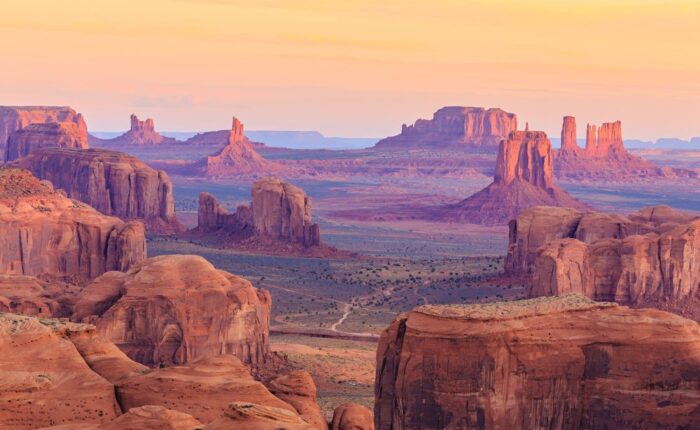
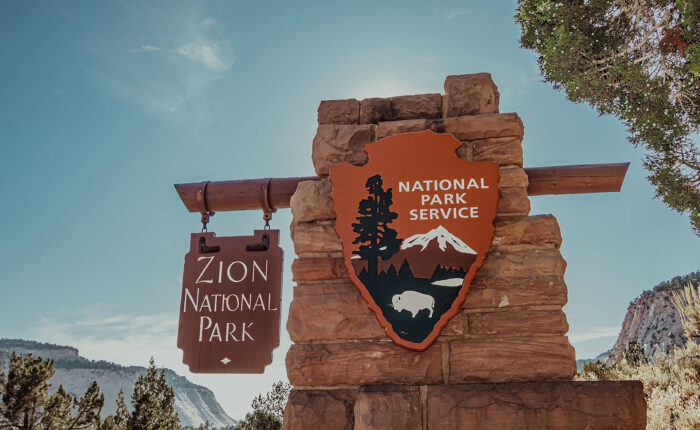
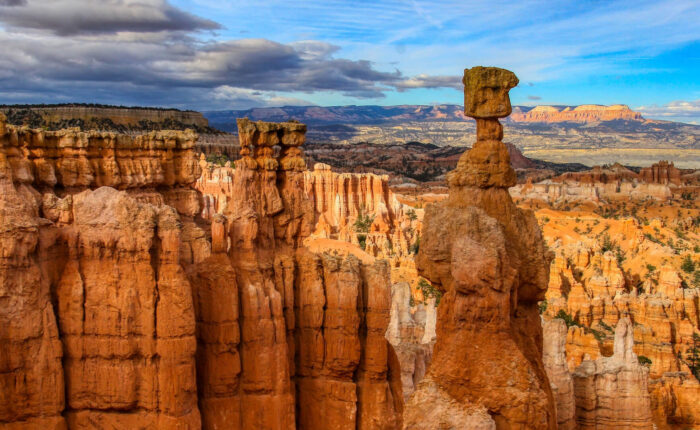
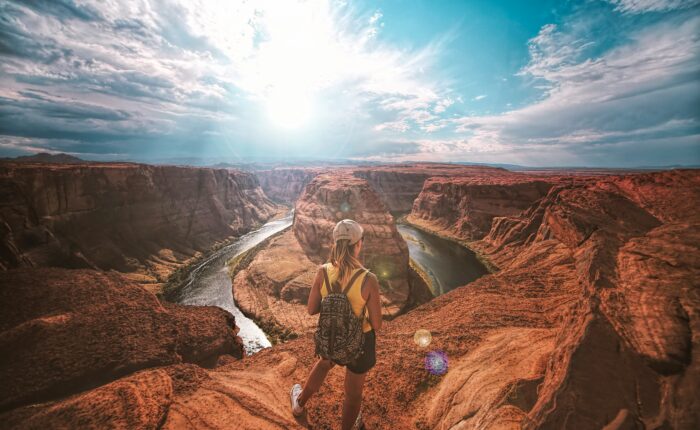
Take a Day Trip to a National Park This is where Las Vegas truly shines as a destination. The Grand Canyon, Death Valley, Zion, Bryce Canyon, and Antelope Canyon are all within day-trip range — and a guided tour from Las Vegas handles transportation, timing, and park logistics so you can focus on the scenery.
See It from the Sky Helicopter tours over the Strip at night and over the Grand Canyon by day are signature Las Vegas experiences.
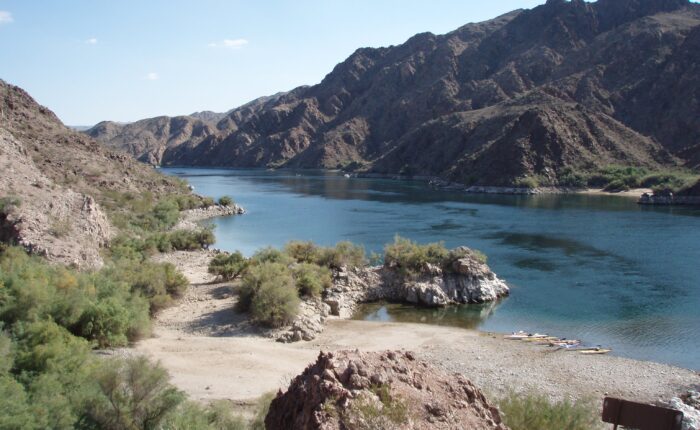
Get on the Water Lake Mead, the Black Canyon, and the Colorado River offer kayaking, rafting, and hot springs just 30–45 minutes from the city. Try our Black Canyon kayaking tour or our Colorado River kayaking tour for a stark and beautiful contrast to the desert above.
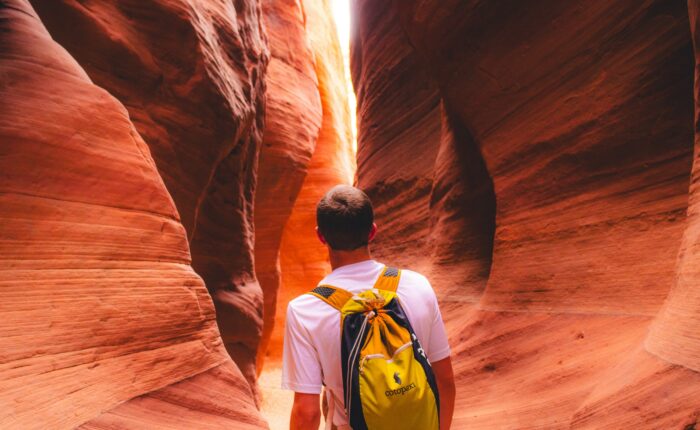
Las Vegas’s location makes it one of the best launching points for Southwest road trips and national park visits in the United States. Within a few hours’ drive, you can be standing on the rim of the Grand Canyon, walking the salt flats of Death Valley, or hiking through the slot canyons of Antelope Canyon.
Within 1 hour of Las Vegas:
Within 2–3 hours of Las Vegas:
Within 4–5 hours of Las Vegas:
For travelers who want to see multiple parks without the burden of driving, multi-day tours from Las Vegas string together the highlights of the American Southwest into a single trip — including our Southwest Highlights Tour and Best of the Southwest Tour.
Las Vegas is open year-round, but the desert climate creates dramatically different experiences depending on when you arrive.
Spring (March–May): Mild temperatures (60s–80s°F), wildflowers in the surrounding desert, and ideal conditions for day trips. One of the best windows for combining the Strip with outdoor adventure.
Summer (June–August): Hot. Daytime temperatures regularly exceed 100°F and can climb above 110°F in July. Pool season on the Strip is in full swing, but Death Valley and the lower-elevation parks become unsafe for hiking. Bryce Canyon and Zion remain comfortable thanks to higher elevation.
Fall (September–November): Cooler temperatures, smaller crowds, and arguably the best balance of weather and value. Excellent for both Strip activities and day trips into the parks.
Winter (December–February): Cool, sometimes chilly evenings (40s–60s°F). The Strip is quieter and rates often drop. The surrounding national parks may have snow, especially Bryce Canyon and the Grand Canyon’s higher elevations — a striking, photogenic version of the Southwest most visitors never see. Our National Parks Winter Tour is built specifically for this season.
For most travelers, March through May and mid-September through November offer the best balance of weather, prices, and access to outdoor day trips.
Las Vegas is one of the most accessible cities in the western U.S.
Most Strip resorts are within 10–15 minutes of the airport by taxi or rideshare.
The Strip is walkable end-to-end, but it’s longer than it looks — about 4.2 miles from Mandalay Bay to the Stratosphere. Most travelers combine walking with the following:
For day trips outside the city, you can rent a car at the airport — but parking, fuel, and long desert drives add complexity. Guided tours from Las Vegas remove that friction entirely and often include park entry fees.
Incredible Adventures has been guiding travelers across the American West since 1993. While we don’t currently operate tours within Las Vegas itself, we offer one of the most extensive lineups of guided day trips and multi-day tours from Las Vegas — covering the Grand Canyon, Death Valley, Zion, Bryce Canyon, Antelope Canyon, Hoover Dam, Lake Mead, and the wider Southwest.
Our tours run in small-group formats with experienced guides, comfortable transportation, and itineraries built to maximize your time. Whether you have a single day, a long weekend, or a full week, we can match you with the right adventure beyond the Strip.
However you want to experience this exciting city, our guided tours from Las Vegas have got you covered. Get in touch to start planning your adventure today!


How many days do you need in Las Vegas? Three to four days is enough to experience the Strip, see a show, eat well, and take at least one day trip into the surrounding desert or national parks. Travelers wanting to visit multiple national parks should plan for 5–7 days using Las Vegas as a basecamp — our Best of the Southwest Tour and Southwest Highlights Tour are built for this.
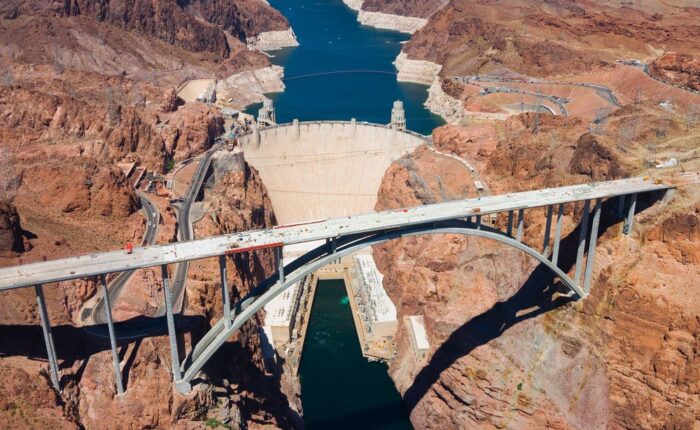
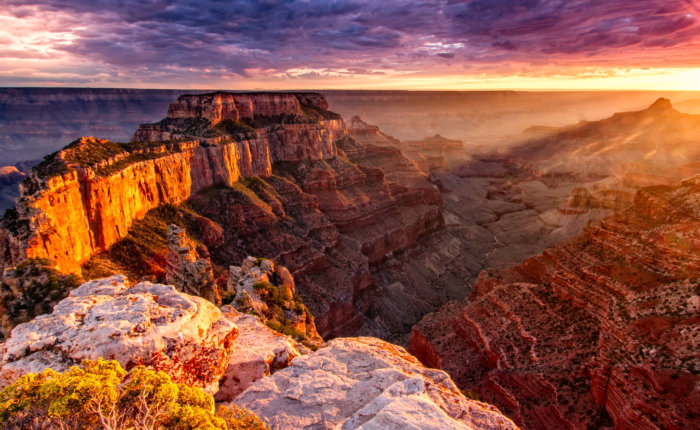
What’s the best day trip from Las Vegas? The Grand Canyon is the most popular day trip from Las Vegas. The West Rim is closer (about 2.5 hours each way) and includes the famous Skywalk; the South Rim is farther (about 4.5 hours each way) but offers more dramatic views and is the more iconic of the two. Death Valley, Hoover Dam, Valley of Fire, and Antelope Canyon are also excellent options.
How far is the Grand Canyon from Las Vegas? The Grand Canyon West Rim is approximately 125 miles from Las Vegas, or about 2.5 hours by car. The South Rim is approximately 280 miles, or about 4.5 hours by car. Guided day tours handle the drive, park entry, and timing.
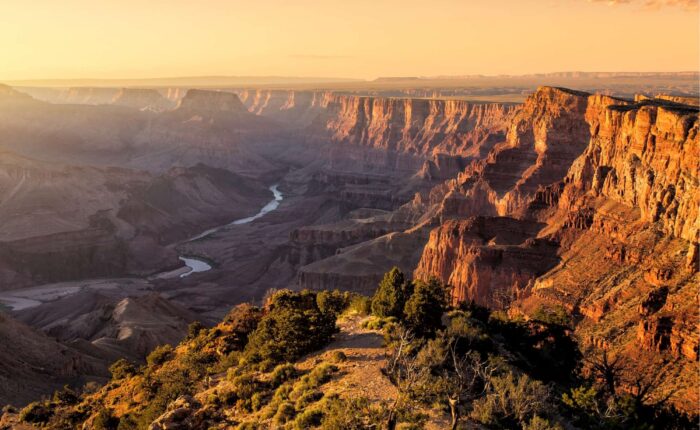
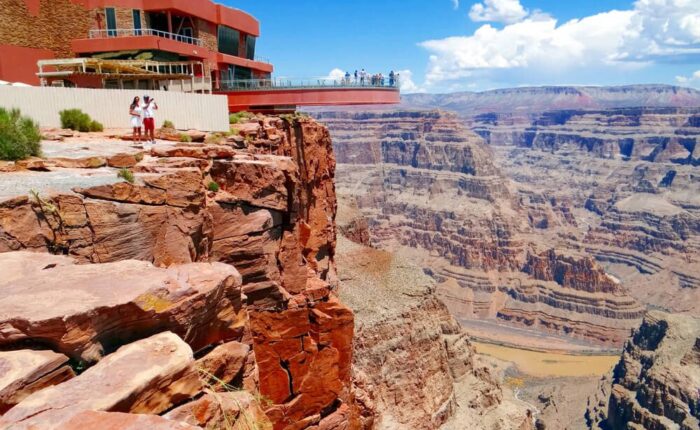
Is it worth visiting the Grand Canyon West Rim or South Rim? The West Rim is closer to Las Vegas and home to the Skywalk — a glass walkway that extends out over the canyon. The South Rim is farther but is the most photographed and visited part of Grand Canyon National Park, with deeper, wider canyon views. If you have time for only one, choose based on whether you prioritize iconic views (South Rim) or convenience and the Skywalk experience (West Rim). For travelers with two days, our Grand Canyon overnight tour lets you experience the canyon at sunrise and sunset.
What is the best time of year to visit Las Vegas? Spring (March–May) and fall (September–November) offer the best balance of comfortable weather, manageable crowds, and outdoor day-trip conditions. Summer is hot — often above 100°F — and winter is cooler but quieter, with potential snow in the higher-elevation national parks.
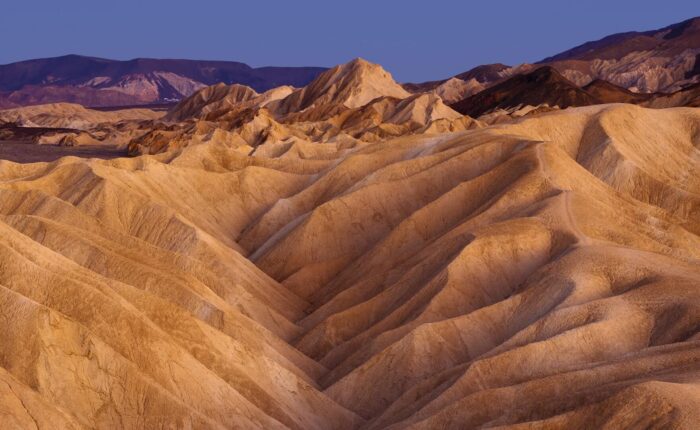
Can you visit Death Valley as a day trip from Las Vegas? Yes. Death Valley National Park is approximately 2 hours west of Las Vegas, making it one of the most accessible national parks from the city. Our Death Valley day tour visits Badwater Basin (the lowest point in North America at -282 feet), Zabriskie Point, and Artist’s Drive. Summer day trips are not recommended due to extreme heat.
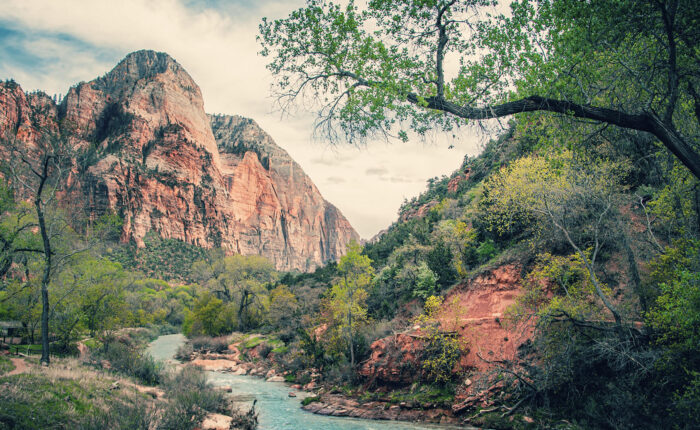
Can you do Zion and Bryce Canyon in one day from Las Vegas? Yes, but it’s a long day. Both parks can be combined on our Bryce and Zion Canyon day tour, focusing on the major viewpoints and short walks rather than longer hikes. For more time in either park, our Bryce and Zion overnight tour is a better option.
What’s the closest national park to Las Vegas? Death Valley National Park is the closest at approximately 2 hours west. Zion National Park is the next closest at about 2.5–3 hours northeast in Utah.
Is Las Vegas a good basecamp for visiting national parks? Yes. Las Vegas is one of the best basecamps in the United States for visiting national parks, with the Grand Canyon, Death Valley, Zion, Bryce Canyon, and Lake Mead all within day-trip range. The combination of a major airport, abundant lodging, and proximity to multiple parks makes it uniquely suited to outdoor-focused trips.
Do you need a car in Las Vegas? Not for the Strip itself — rideshare, taxis, the monorail, and walking cover most needs. However, if you plan to visit national parks or the surrounding desert independently, a rental car is helpful. Guided tours from Las Vegas remove the need for a car for day trips entirely.
What should I pack for a Las Vegas trip? Layered clothing (desert temperatures swing significantly between day and night), comfortable walking shoes, sun protection, a refillable water bottle, and a lighter layer for over-air-conditioned casinos. For day trips into the parks, add sturdy shoes and a hat.
Get update to special deals and exclusive offers.
Sign up to our newsletter!